 Loi
January 8, 2024
Loi
January 8, 2024
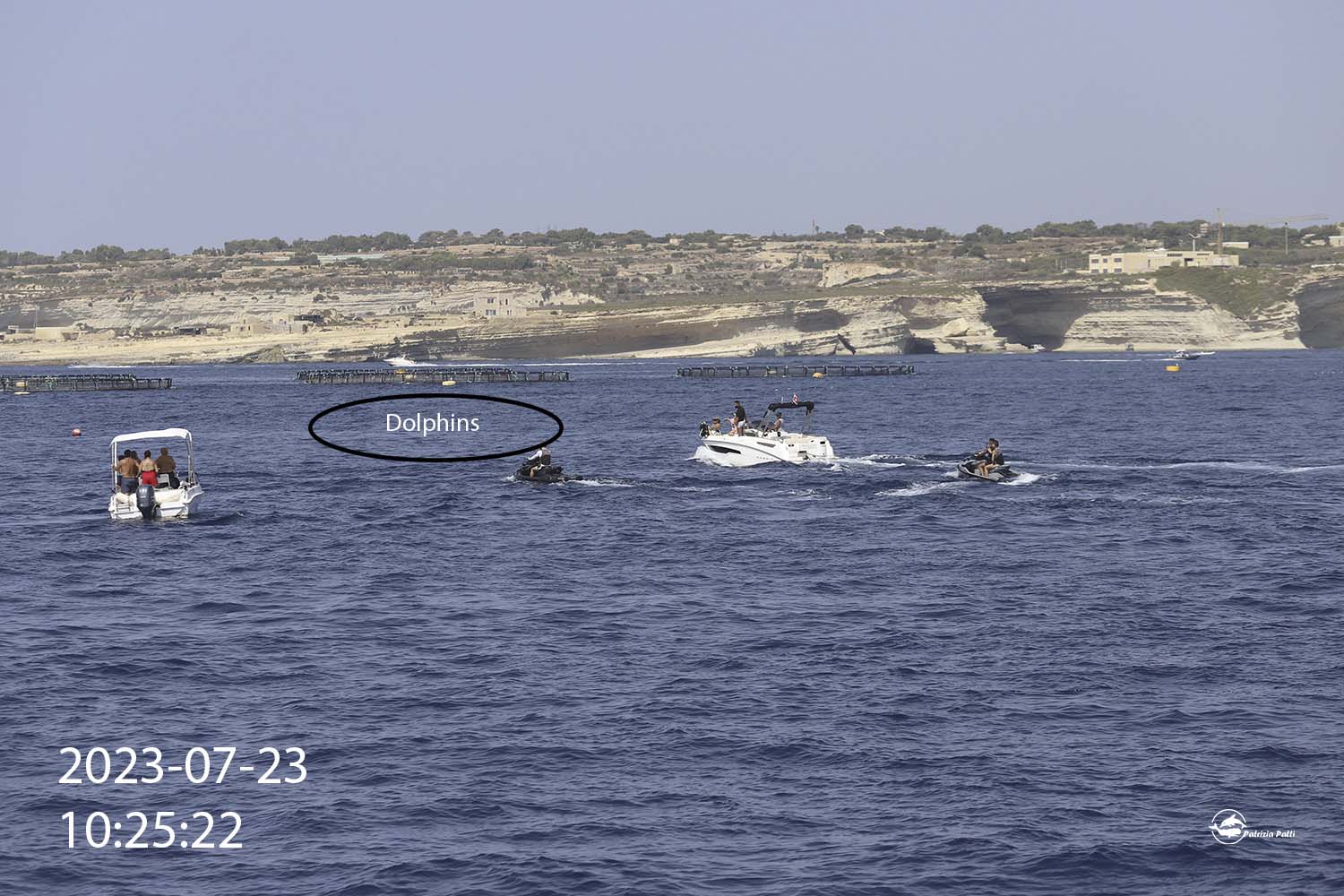
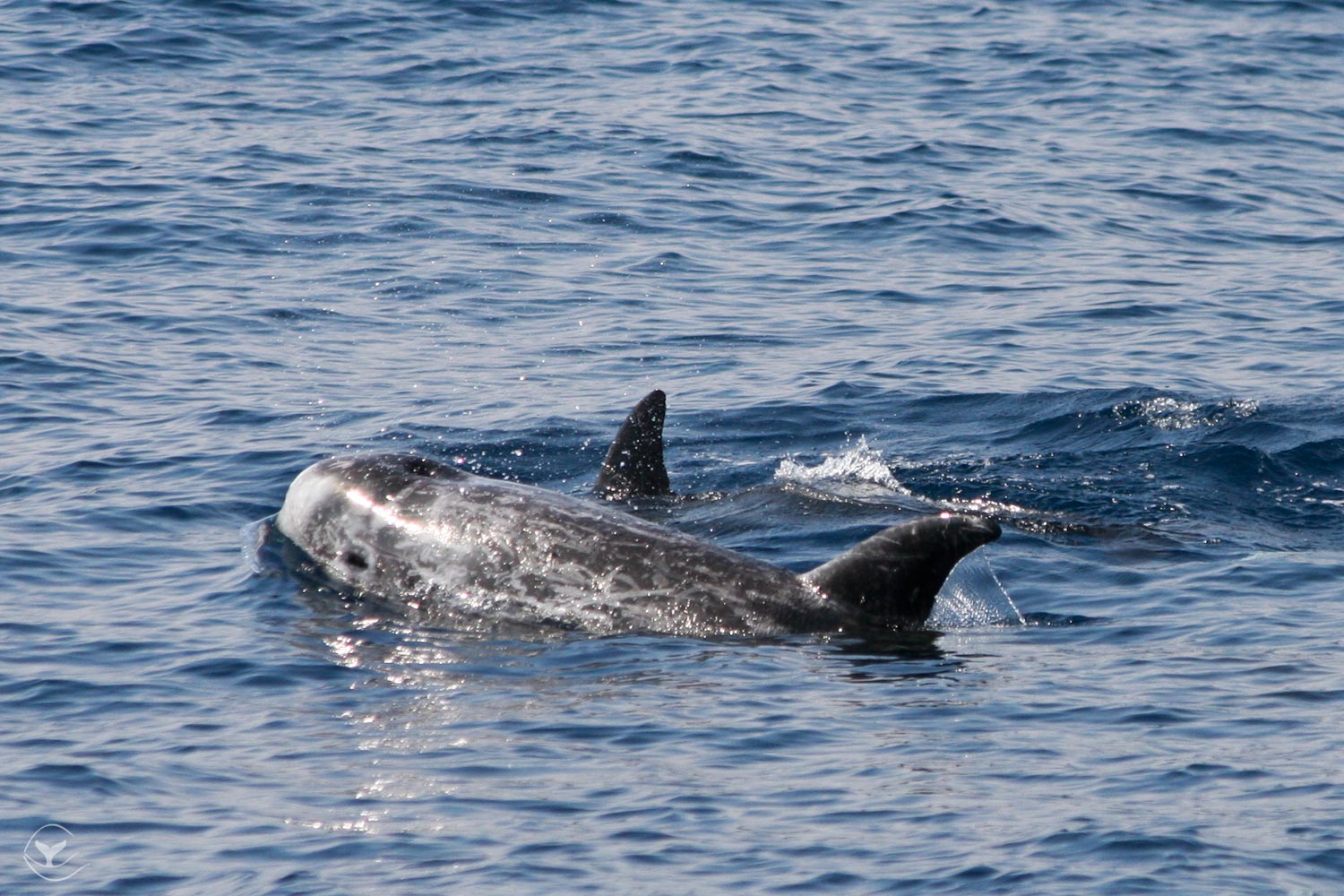
Did you know dolphins spend less time feeding and socialising when tour boats are nearby?
Research shows that dolphins change their natural behaviour in the presence of boats — spending more time travelling and less time feeding and socialising.
This may seem small, but it has serious long-term consequences.
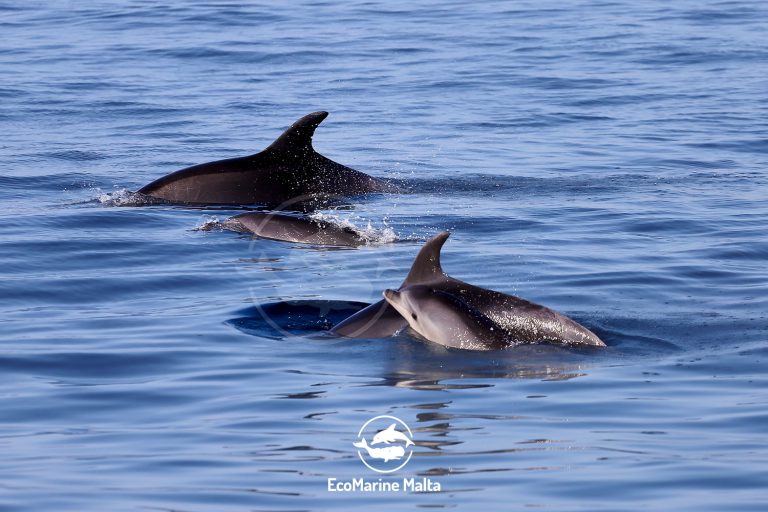
To avoid boats, dolphins are forced to travel more — using up energy they would normally spend on feeding.
Less feeding means less energy. Over time, this reduces survival rates and affects reproduction.
For mother-calf pairs, the impact is even greater.
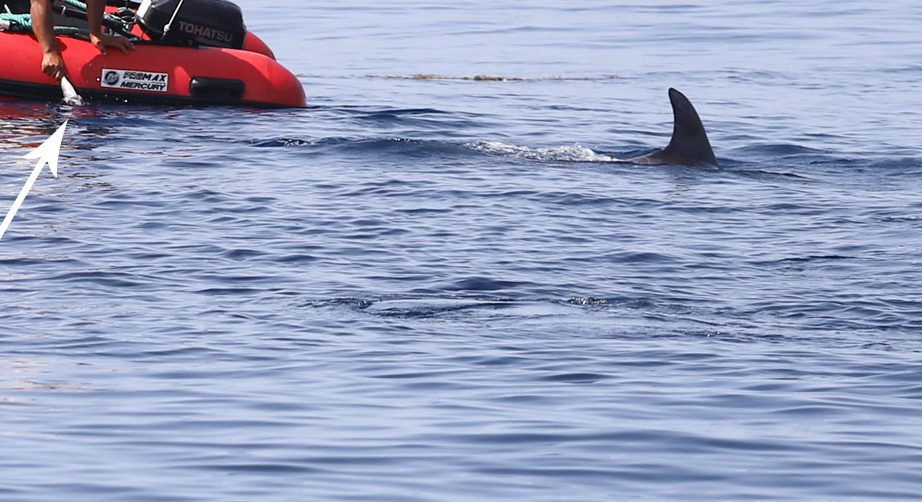
Mothers need significantly more energy to produce milk. If feeding is reduced, calves may not receive the nutrition they need to survive.
Reduced social behaviour also affects learning, bonding, and long-term population stability.
Feeding dolphins might seem harmless — but it increases the damage caused by boat interactions.
Dolphins that receive food from humans can lose their natural hunting instincts, develop health issues, and become more aggressive.
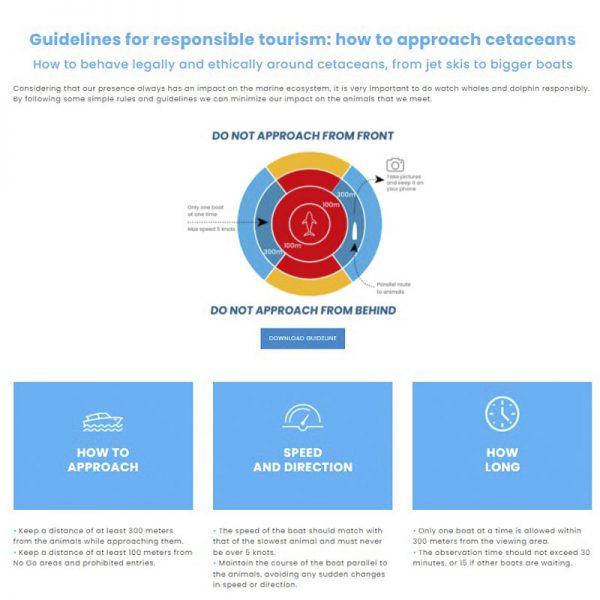
It also increases the risk of boat strikes and dangerous human interactions.
For calves, the consequences are even more serious. Changes in feeding behaviour can be passed on, meaning young dolphins may never learn how to hunt properly.
This directly impacts their survival chances.
These combined pressures — disturbance and feeding — threaten entire dolphin populations, especially in busy coastal areas like Malta.
Wildlife tours are often seen as sustainable, but they are only truly sustainable when proper guidelines are followed.
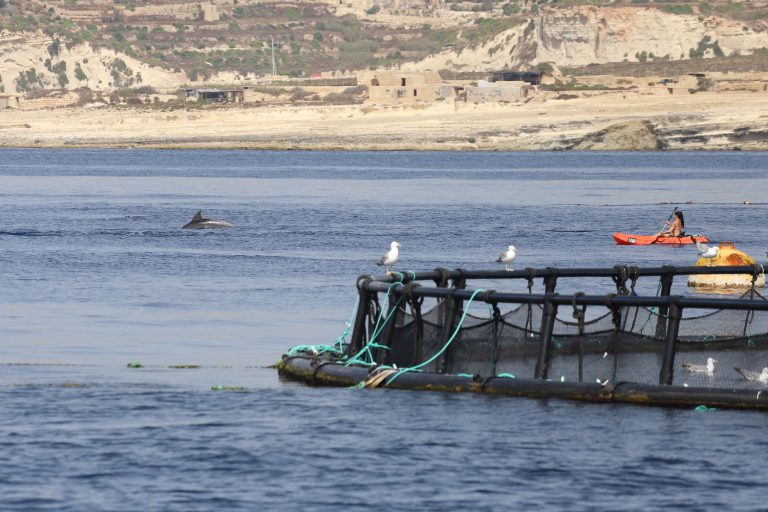
Without responsible behaviour, these interactions contribute to stress, behavioural changes, and population decline.
And the impact doesn’t stop with dolphins.
Disrupting predator populations affects the entire marine ecosystem — from fish populations to coastal protection.
Whether you’re on a tour boat, jet ski, or private vessel — your actions matter.
Keeping distance, reducing noise, and avoiding feeding are essential to protecting dolphins.
Enjoy the ocean — but don’t disturb it.