Exploring Cetaceans in Maltese Waters
Dolphins are one of the most captivating sights in Maltese waters — but there’s more to these animals than meets the eye.
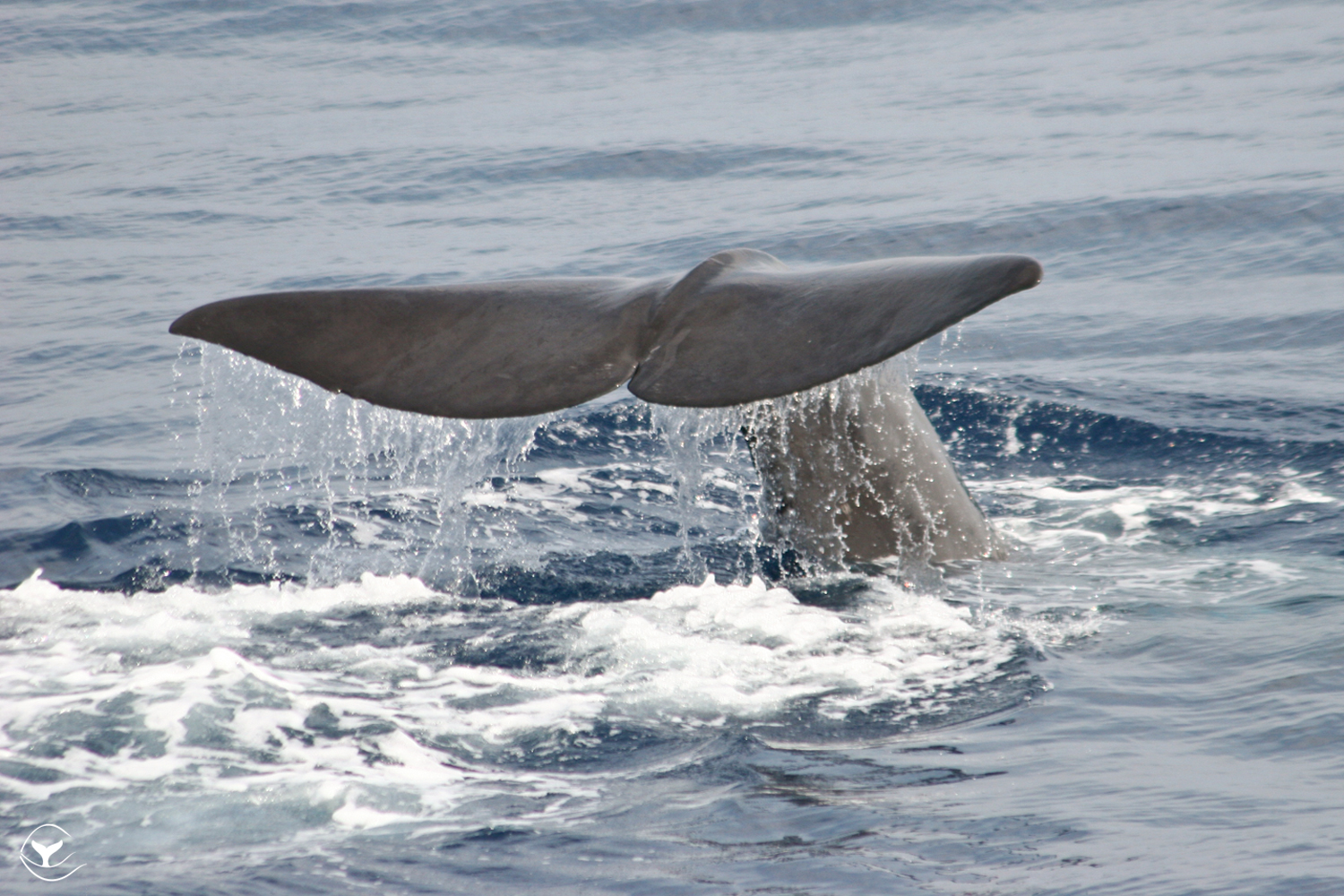
Cetaceans, the group that includes whales and dolphins, are highly adapted marine mammals. They breathe air, give birth to live young, and rely on strong social structures to survive in the open sea.
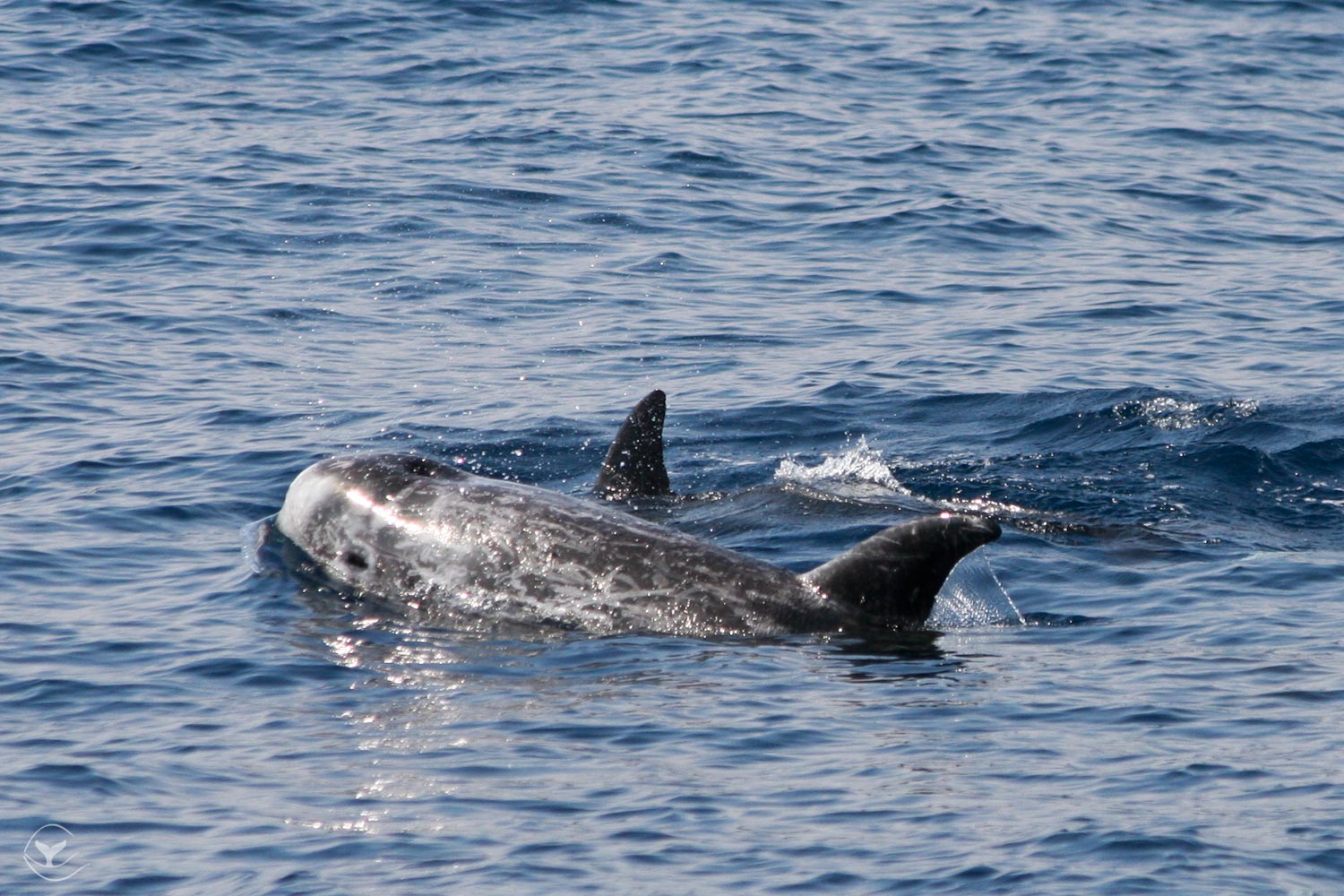
In the Mediterranean, around eight species can be encountered. In Maltese waters, the most commonly observed are bottlenose dolphins and striped dolphins — with occasional sightings of common dolphins.
Meet the Species
Each species has its own distinct features:
- Bottlenose Dolphin – robust body, curved dorsal fin, light grey colouring
- Striped Dolphin – slender body with distinctive dark stripes along the sides
- Common Dolphin – recognizable by its hourglass pattern and long, narrow beak
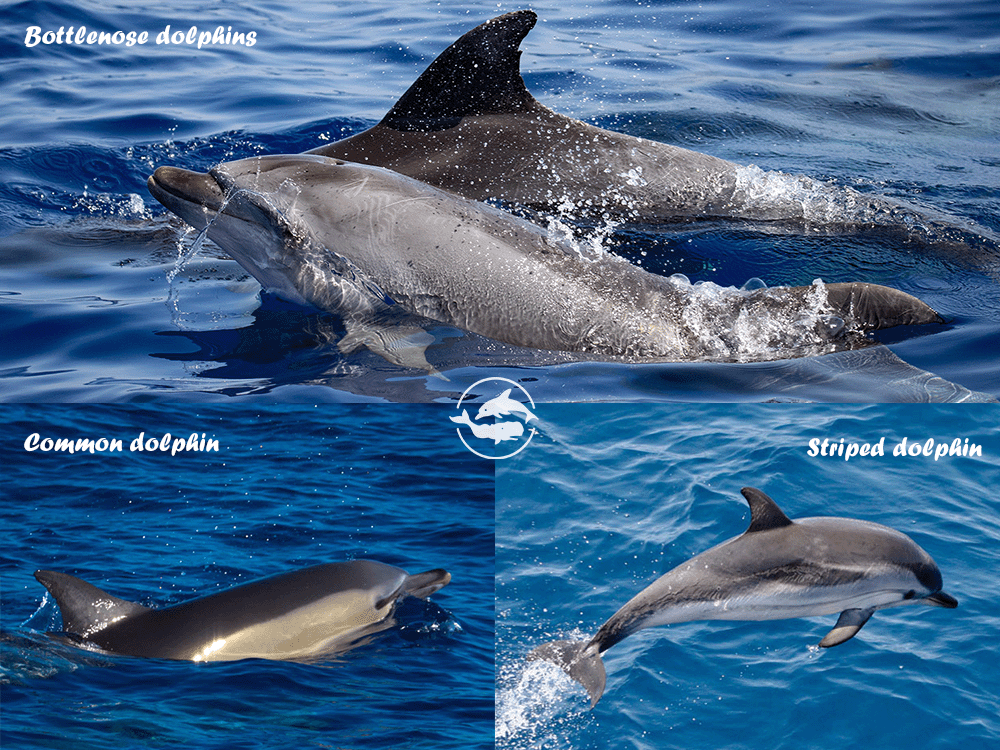
While some species are globally stable, others face increasing pressure in the Mediterranean due to threats such as overfishing, pollution, and habitat disturbance.
Responsible Encounters
Dolphins are frequently spotted around the Maltese archipelago — by both recreational boats and local fishers throughout the year.
But every encounter matters.
Without proper care, human interaction can disrupt natural behaviour and harm these animals.
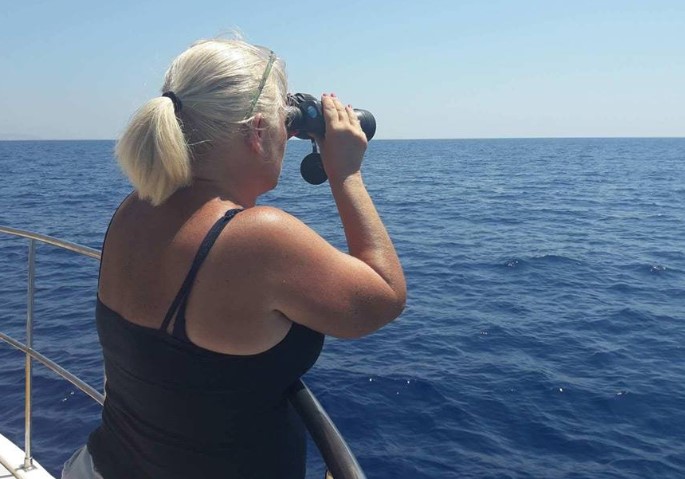
Observing dolphins responsibly means keeping a safe distance and allowing them to behave naturally — without interference.
During our marine life spotting experiences, we follow ACCOBAMS guidelines, ensuring dolphins are never disturbed.
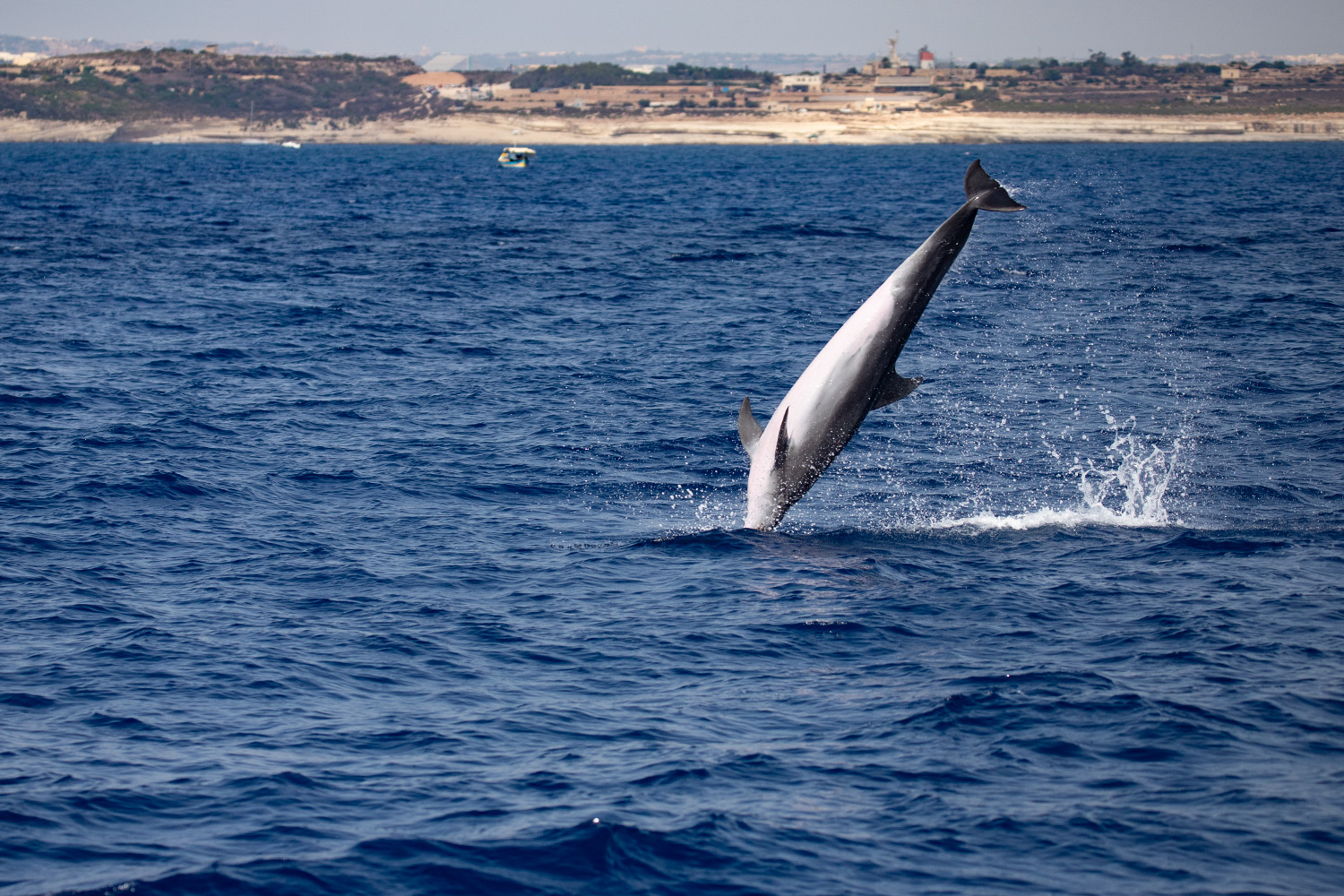
We also collect data through photo-identification — a non-invasive method that allows us to recognise individual dolphins over time.
This helps us better understand their behaviour, movements, and population dynamics.
Research and Conservation
Our ongoing DELFISH PAM project is a key part of this effort.
Through this research, we study dolphin behaviour, habitat use, and population trends in Maltese waters.
As our knowledge grows, so does our ability to protect these animals and the ecosystems they depend on.
Why It Matters
Dolphins are not just a highlight of the sea — they are indicators of ocean health.
Protecting them means protecting the balance of the entire marine ecosystem.
And that starts with how we choose to interact with the ocean.

 Loi
January 26, 2024
Loi
January 26, 2024