 Loi
April 27, 2024
Loi
April 27, 2024
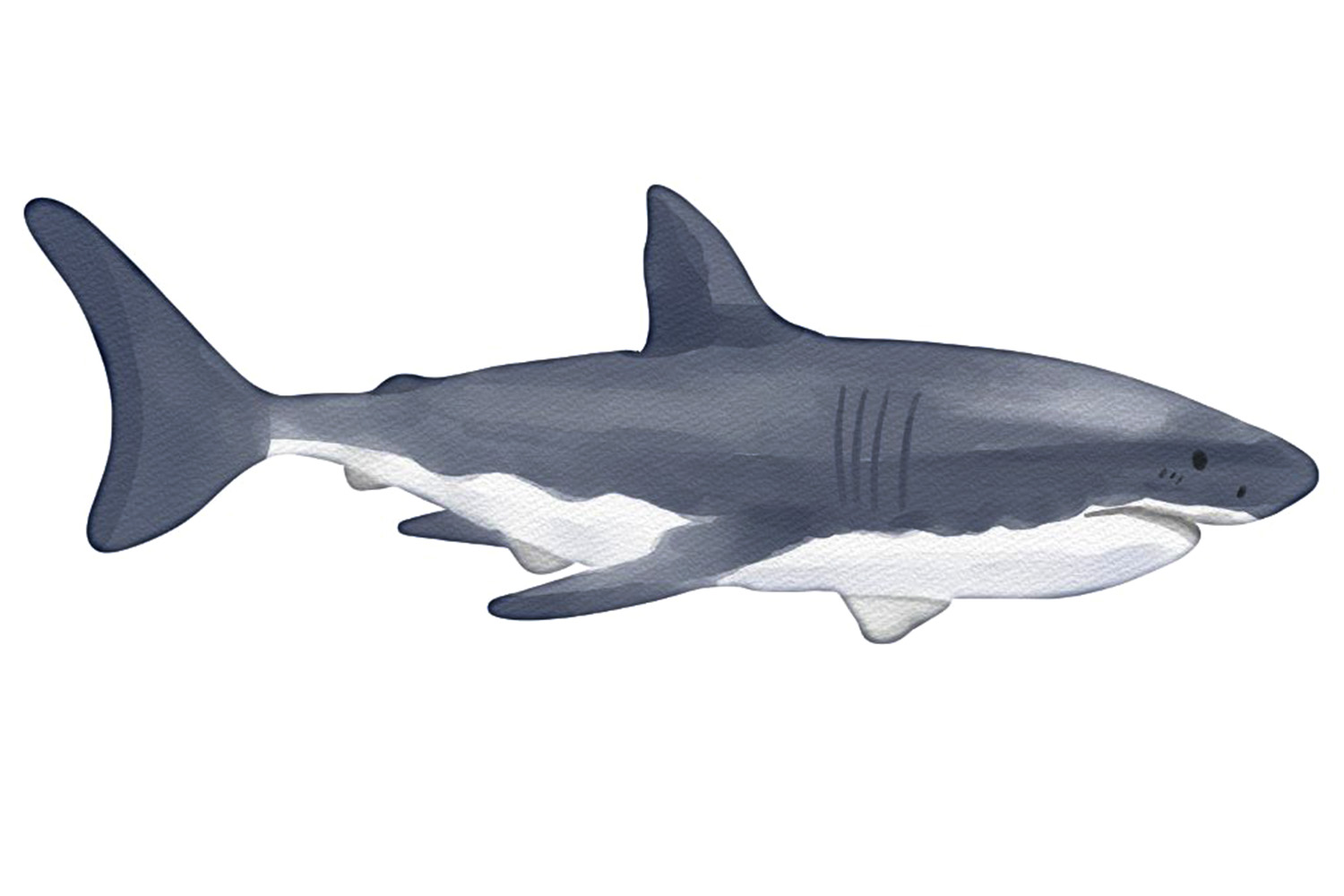
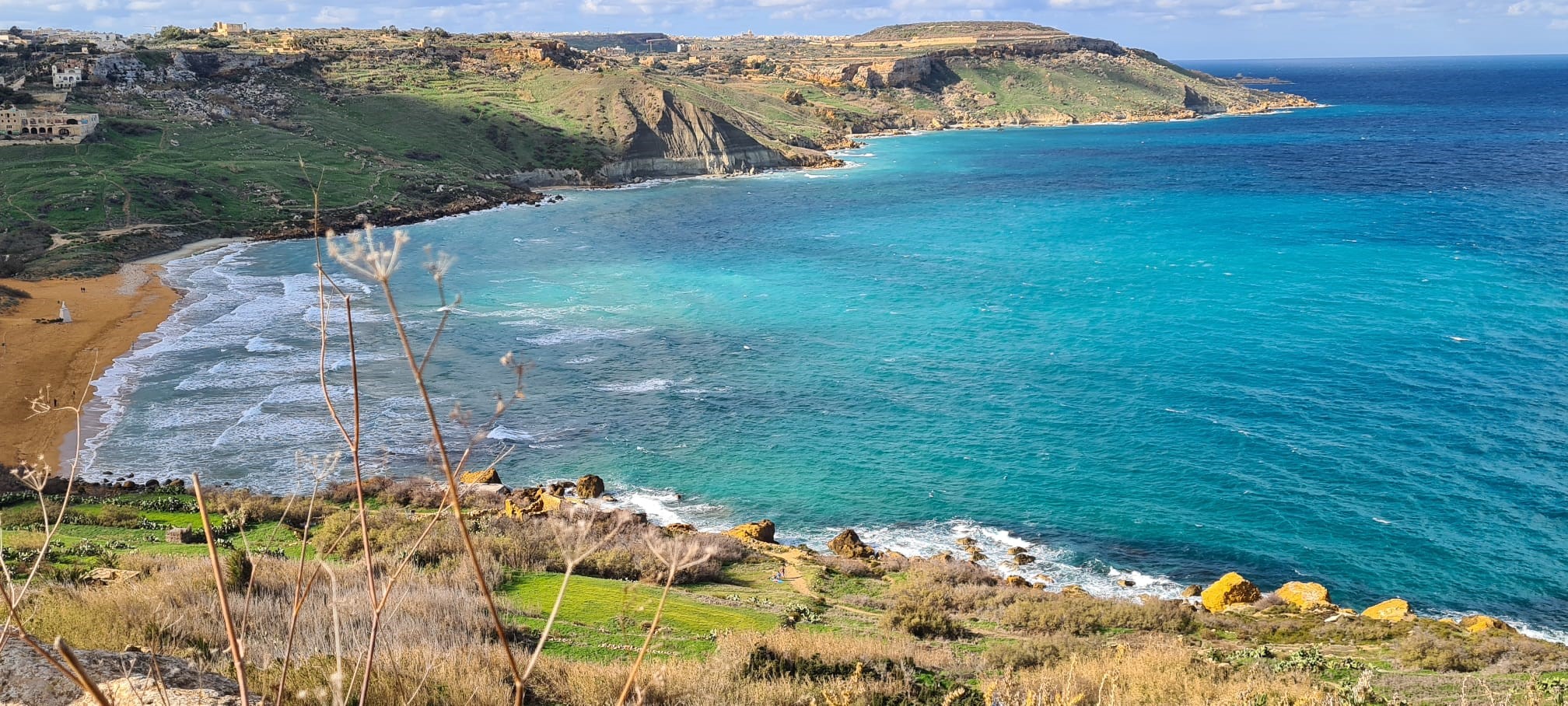
The Mediterranean Sea is known for its deep blue waters and stunning coastlines — but beneath the surface lies a complex and fragile ecosystem.
Among its most misunderstood inhabitants are sharks. While many people associate sharks with tropical oceans, the Mediterranean is home to around 38 different species — all playing a vital role in keeping marine life in balance.
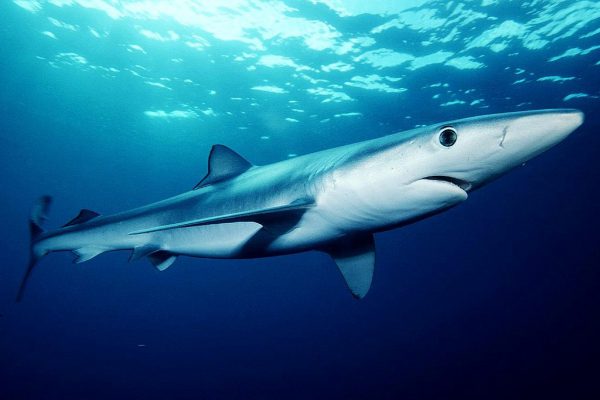
One of the most iconic species in the Mediterranean is the blue shark (Prionace glauca). With its slender body and deep blue colour, it moves effortlessly through open waters, often near the surface in search of food or to give birth.
Despite their appearance, blue sharks are not considered dangerous to humans. They are far more likely to encounter fishing boats than swimmers.
But their biggest threat isn’t fear — it’s us.
Today, their meat is still sold across Europe — sometimes without people even realizing it. In Malta, the blue shark is commonly known as “Ħuta kaħla.”
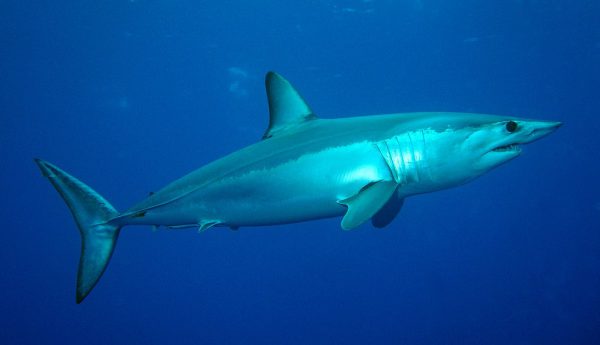
Another remarkable species is the shortfin mako shark (Isurus oxyrinchus) — one of the fastest sharks in the ocean, capable of reaching speeds up to 60 mph.
As an apex predator, the mako plays a crucial role in regulating fish populations and maintaining ecosystem stability.
Yet even this powerful species is under pressure.
Mako sharks are frequently caught as bycatch — and in some cases, even sold as swordfish.
The Mediterranean is also home to a wide range of smaller shark species, each contributing to the region’s biodiversity.
Species like the small-spotted catshark, nursehound, and longnose spurdog are commonly found — and often sold in local markets.
In Malta, these are frequently labelled as “Mazzola.”
What many people don’t realize is that even these smaller species are part of a much larger ecological puzzle.
Sharks in the Mediterranean are under increasing pressure.
Over time, these pressures have pushed many shark populations into serious decline.
Sharks are not just another species — they are essential to the health of the ocean.
As top predators, they help maintain balance within marine ecosystems. Without them, entire food chains can collapse.
The future of sharks in the Mediterranean depends on awareness, responsibility, and better protection.
Because protecting sharks isn’t just about saving one species — it’s about preserving the balance of an entire ecosystem.
And ultimately, the future of our oceans.