Malta’s Geological Wonders: Shaping the Marine Environment
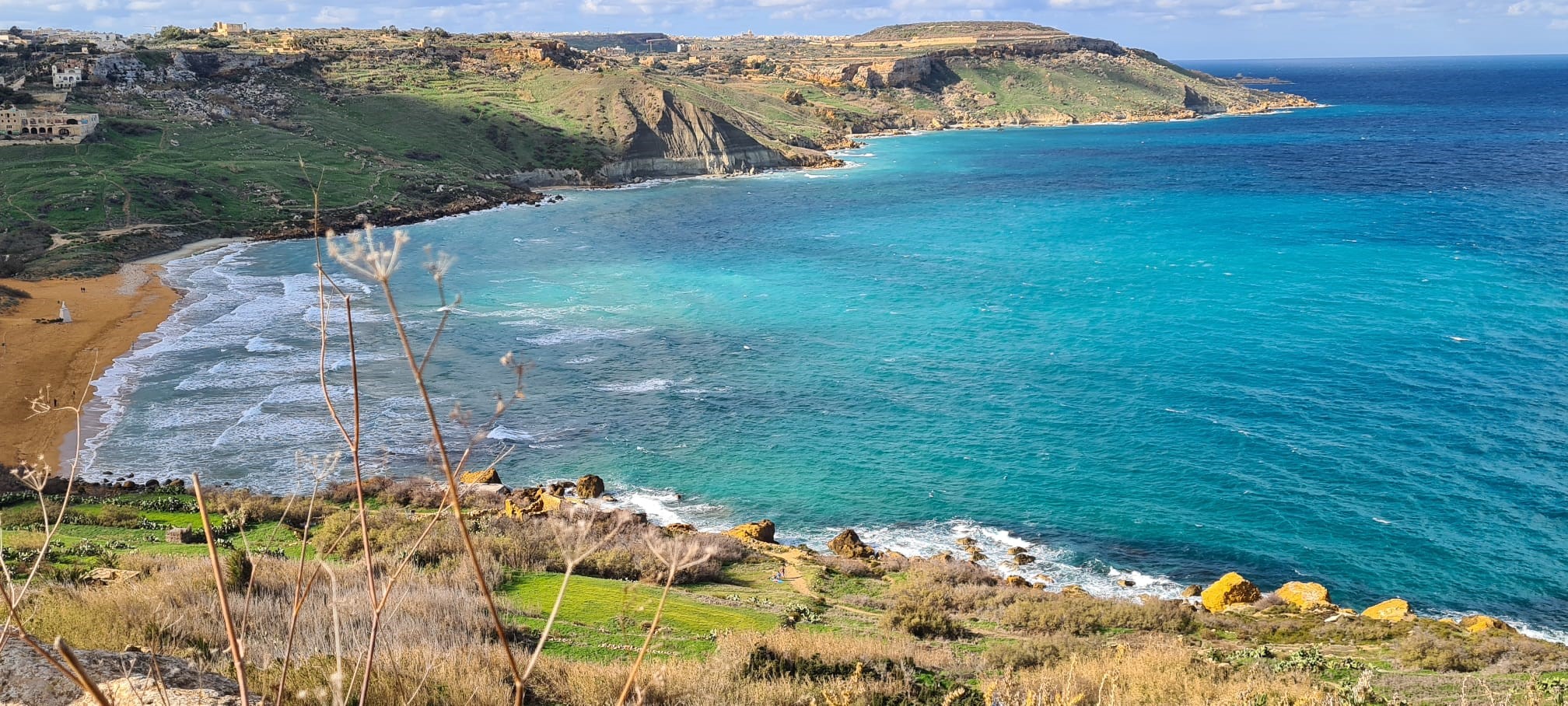
Malta’s landscape tells a story millions of years in the making — a story written in rock, fossils, and the sea itself.
Geology helps us understand how the islands formed, how ecosystems developed, and why Malta’s marine environment is so unique.
What is Geology?
Geology is the study of the Earth’s structure, rocks, and history. It plays a crucial role in everything from natural resources to water supply and coastal protection.
Without geology, we wouldn’t understand the foundations of our environment — or how to protect it.
The Geology of Malta
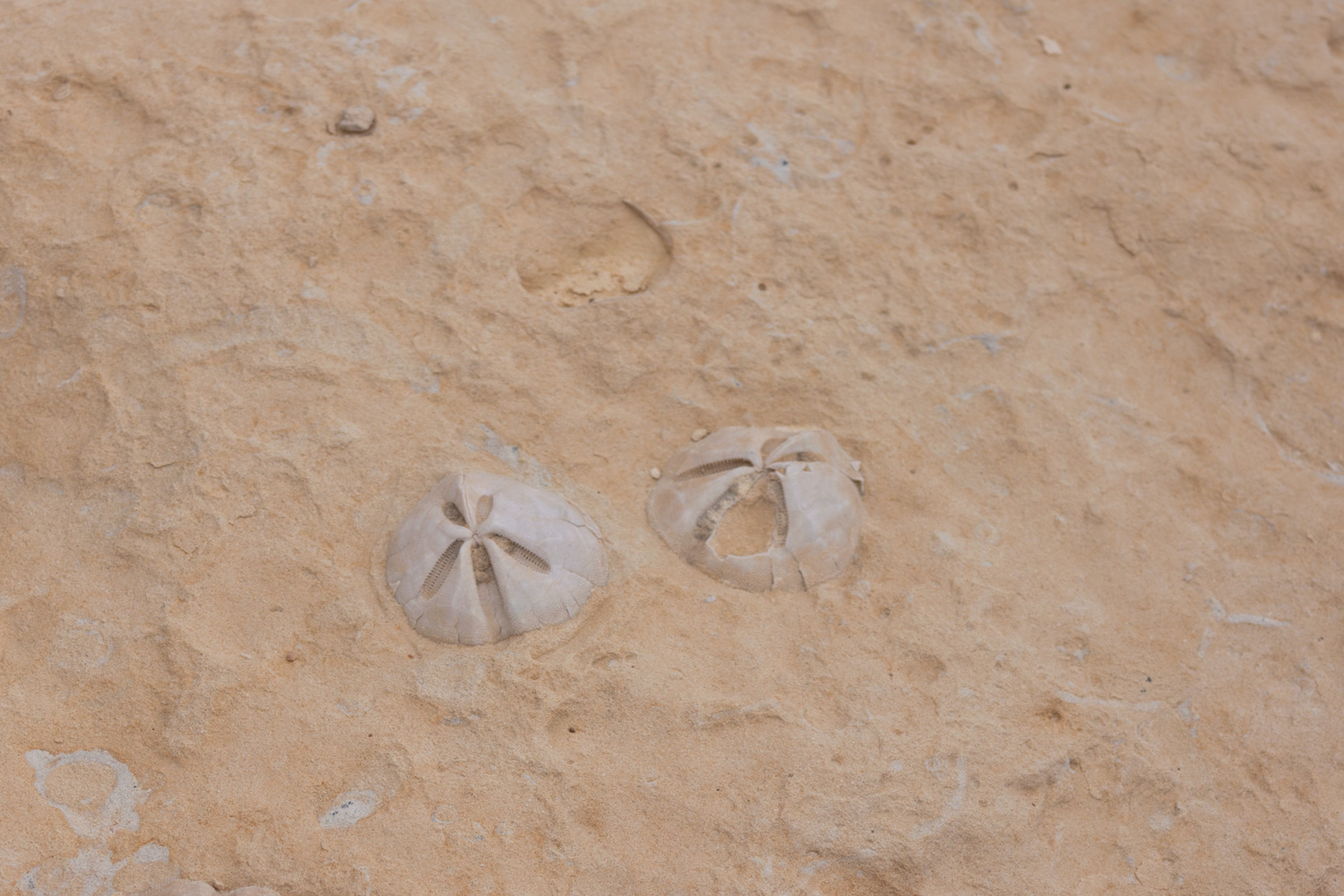
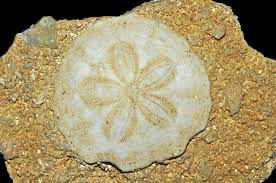
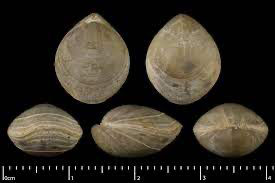
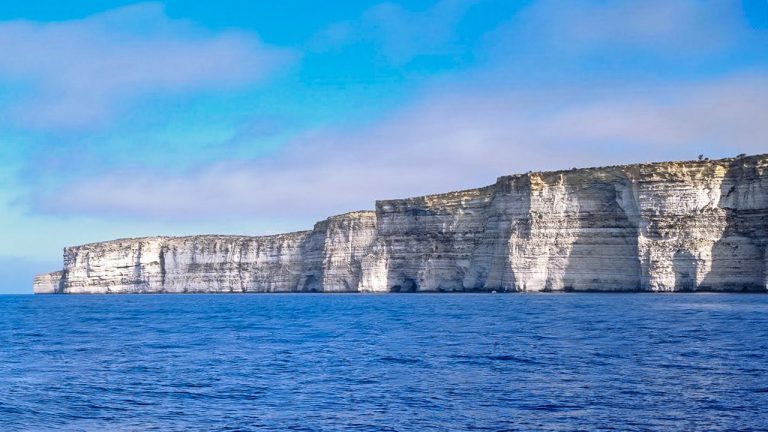
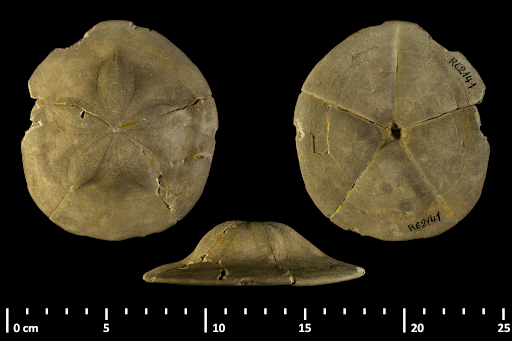
Malta is entirely made up of sedimentary rock formed underwater millions of years ago. These layers were created from marine organisms and fossil fragments over time.
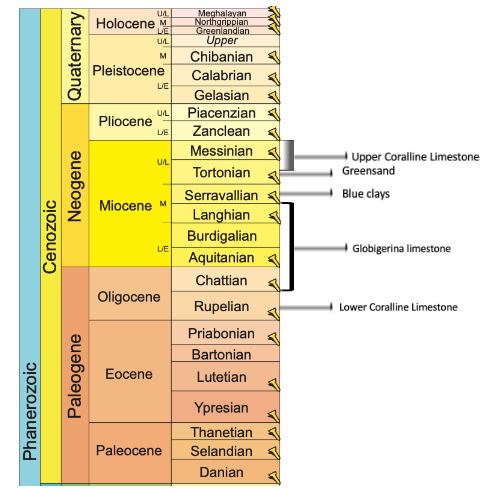
The islands consist of five main geological layers, each with distinct characteristics.
Main Rock Layers
The geological structure of Malta is made up of layered formations, including coralline limestone, globigerina limestone, blue clay, greensand, and upper coralline limestone.
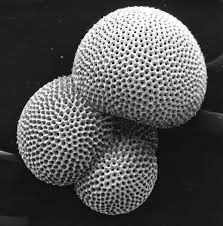
Globigerina limestone, the most widespread, is softer and commonly used in construction across the islands.
Geology and Marine Life
Malta’s geological structure directly influences marine biodiversity and water systems.
Due to limited natural freshwater, Malta relies heavily on desalination — a process that has environmental impacts.
Brine discharge from desalination can affect marine ecosystems, particularly sensitive habitats like seagrass meadows.
The Importance of Seagrass
Posidonia oceanica is one of the most important marine plants in the Mediterranean. It provides habitat, improves water quality, and protects coastlines from erosion.
It also plays a major role in capturing and storing carbon — making it essential in the fight against climate change.
Seagrass meadows can store up to ten times more carbon than forest soils, making them critical for reducing CO₂ in the atmosphere.
Why It Matters
Geology doesn’t just shape the land — it shapes entire ecosystems.
Understanding Malta’s geological foundations helps us protect marine biodiversity, manage resources, and reduce environmental impact.
Because everything in the ocean starts from the ground beneath it.

 Loi
August 14, 2023
Loi
August 14, 2023