
EcoMarine Malta is proud to be part of Fins Into the Water — a project focused on improving ocean literacy across the Mediterranean.
The goal is simple: help people better understand the sea, their impact on it, and how to use it responsibly.
#FinsIntoTheWater is funded by the Erasmus+ programme and brings together organisations from across Europe working in marine science, education, and conservation.
Together, the project develops accessible tools and resources to help stakeholders and tourists make more sustainable choices at sea.
Mediterranean Sea Literacy (MSL) is an adaptation of ocean literacy focused specifically on the Mediterranean region.
In simple terms, it means understanding how human actions impact the sea — and how the sea, in turn, impacts our lives.
The Mediterranean provides essential benefits: oxygen production, climate regulation, food, and economic activity. But it is also increasingly affected by pollution, climate change, and biodiversity loss.
The 7 Ocean Literacy Principles include:
Millions of people depend on the Mediterranean — especially through tourism and coastal activities.
Without sustainable practices, these activities can damage ecosystems, reduce biodiversity, and ultimately harm the economy itself.
Marine Protected Areas, responsible tourism, and education all play a role — but awareness is the foundation.
EcoMarine Malta contributes by creating educational content, including infographics and awareness campaigns based on the official Code of Conduct for interacting with marine life.
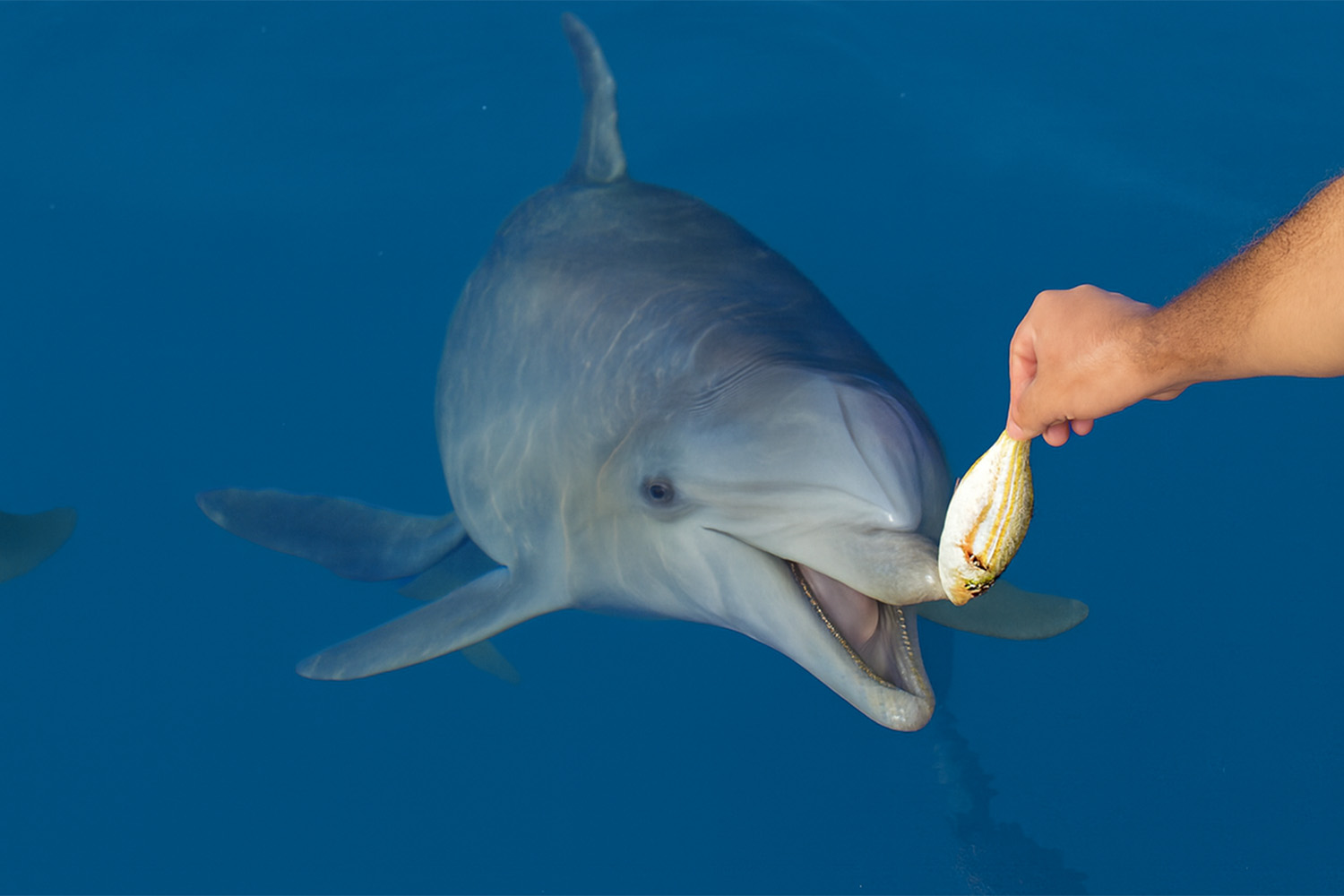
This code, developed by ACCOBAMS, ensures that dolphins and other species can be observed without being disturbed or harmed.
Unfortunately, many people still unknowingly disturb dolphins — by feeding them, chasing them, or getting too close.
Through social media, events, and collaborations, EcoMarine Malta works to spread awareness and promote responsible interaction with the sea.
EcoMarine Malta also participates in educational events such as science fairs, engaging directly with the public to raise awareness about marine biodiversity and conservation challenges.
Projects like the Young Innovators Climathon help students explore real-world marine issues and develop sustainable solutions.
By working with institutions like Transport Malta and other stakeholders, EcoMarine continues to strengthen its impact and reach.
Ocean literacy is key to protecting the Mediterranean.
By understanding our connection to the sea, we can make better choices — and ensure its future for generations to come.
Because protecting the ocean starts with understanding it.

Don't just get there, get there in style.
Information
Follow Us
Payment channels

