Dive into Malta’s Marine Protected Areas
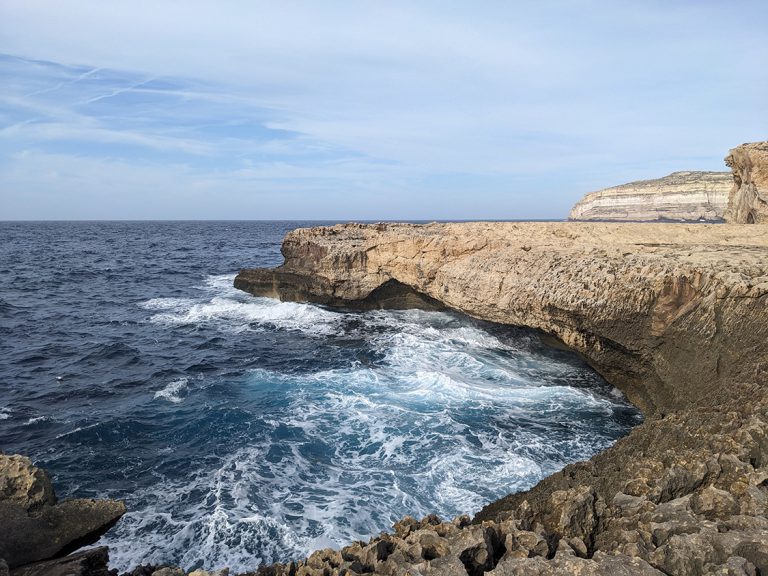
The Mediterranean Sea is under pressure — from overfishing to pollution and climate change. But there’s one powerful tool helping to protect it: Marine Protected Areas.
Marine Protected Areas (MPAs) are designated zones where human activity is managed to protect marine life and ecosystems. They play a crucial role in preserving biodiversity, supporting coastal communities, and keeping our oceans healthy.
What Are MPAs — and Why Do They Matter?
An MPA is a part of the sea where certain activities are limited to reduce environmental impact. Contrary to common belief, most MPAs are not completely closed off — they are carefully managed to balance protection and sustainable use.
Some areas restrict fishing, others limit access entirely. The level of protection depends on the location and the ecosystem it supports.
MPAs protect biodiversity, reduce coastal erosion, support food security, and help communities that depend on the ocean.
They exist because our oceans face growing threats — from pollution and overfishing to the long-term impacts of climate change.
Protecting Ecosystems for the Future
While each MPA has its own purpose, the overall goal is simple: protect marine habitats and the life they support.
As ocean temperatures rise and ecosystems become more fragile, the importance of protection has never been greater.
Healthy oceans don’t just support marine life — they also support millions of people who depend on them for food, income, and stability.
Marine Protection in Malta
Malta has taken important steps to protect its marine environment.
Over 4,100 km² of Maltese waters are designated as Marine Protected Areas through the Natura 2000 network — covering around 35% of the Fisheries Management Zone.
These areas fall into two main categories:
- Special Areas of Conservation (SACs)
- Special Protection Areas (SPAs) for seabirds
Together, they aim to safeguard habitats, protect species, and maintain ecological balance.
More Than Just Fish
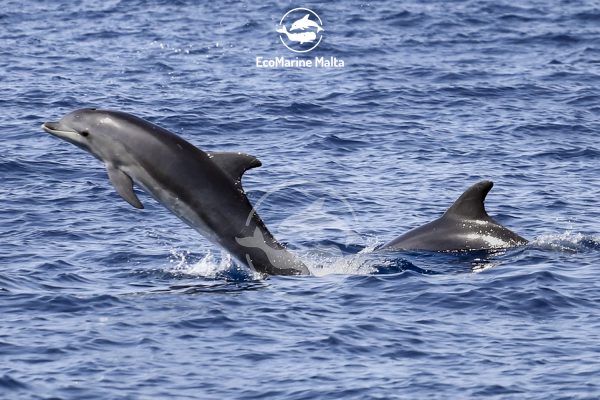
MPAs don’t just protect fish — they protect entire ecosystems.
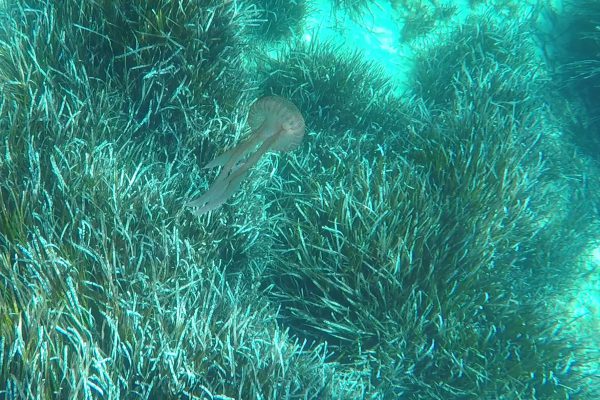
In Malta, this includes important habitats like Neptune seagrass (
Posidonia oceanica), which stores carbon and supports coastal biodiversity.
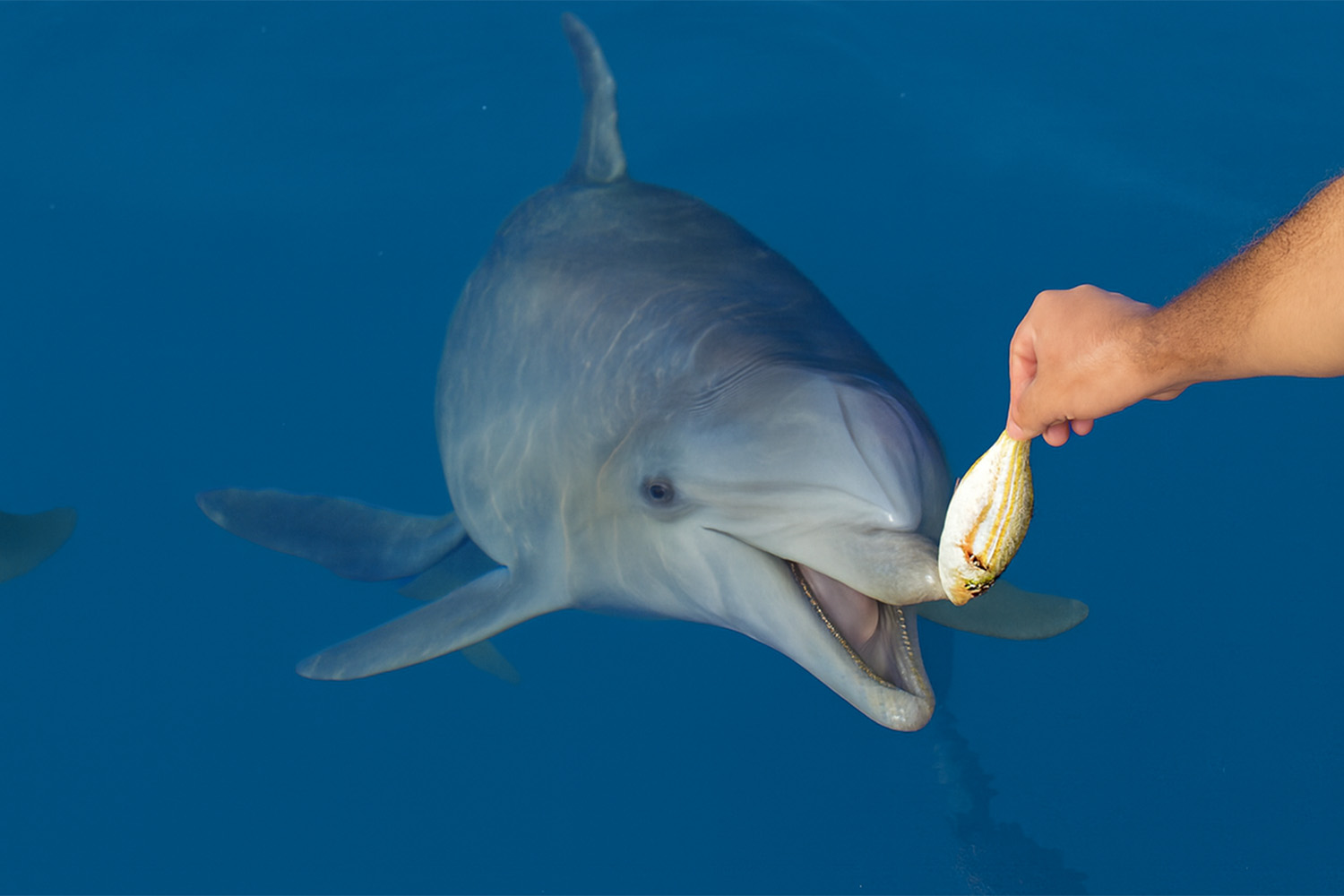
Protected species include dolphins, turtles, molluscs, and several seabirds — all part of a complex and interconnected ecosystem.
From Protection to Action
Designating an area is only the first step.
Effective protection depends on proper management, enforcement, and — most importantly — public awareness.
Projects like DelFishPam help researchers better understand how species like bottlenose dolphins use Maltese waters, allowing for smarter conservation decisions.
Long-term success depends on people — from policymakers to local communities — working together.
Why It Matters
Marine Protected Areas contribute to ocean health, food security, and climate resilience.
With growing awareness, organizations like the European Environment Agency continue to push for stronger protection across the Mediterranean.
Your Role in Protecting the Ocean
Protecting the ocean doesn’t stop with policies — it starts with people.
You can help by making small, conscious choices every day:
- Support sustainable seafood choices
- Reduce waste and avoid single-use plastics
- Join beach clean-ups or local initiatives
- Spread awareness and educate others
Because healthy oceans depend on all of us.

 Loi
February 23, 2024
Loi
February 23, 2024